
I spent weeks building a website I was genuinely proud of. Then I sat back and waited for visitors who never came. It turned out I had built a beautiful shop on a street with no road leading to it. Here's how I finally got found.
Who I am
I'm Nadia. I run a small online business on my own - I make the product, write the content, and handle the marketing between everything else. I'm not an SEO expert. For the longest time, 'SEO' was just an intimidating three-letter word I hoped I could ignore.
The problem: nobody could find me
My site looked great and my content was genuinely useful. But when I searched for the exact things I wrote about, I was nowhere - page five, page ten, invisible. Meanwhile competitors I knew were not any better than me sat right at the top. I couldn't understand what they had that I didn't.
I kept publishing more, hoping volume would save me. It didn't. I was shouting into a room that Google had never let anyone into.
What I tried (and why it failed)
- Writing more posts - effort without direction just buried good content under more invisible content.
- Copying whatever competitors seemed to do - guessing from the outside, with no idea what actually worked for them.
- Random SEO tips from the internet - contradictory advice that left me more confused than before.
The turning point: Semrush
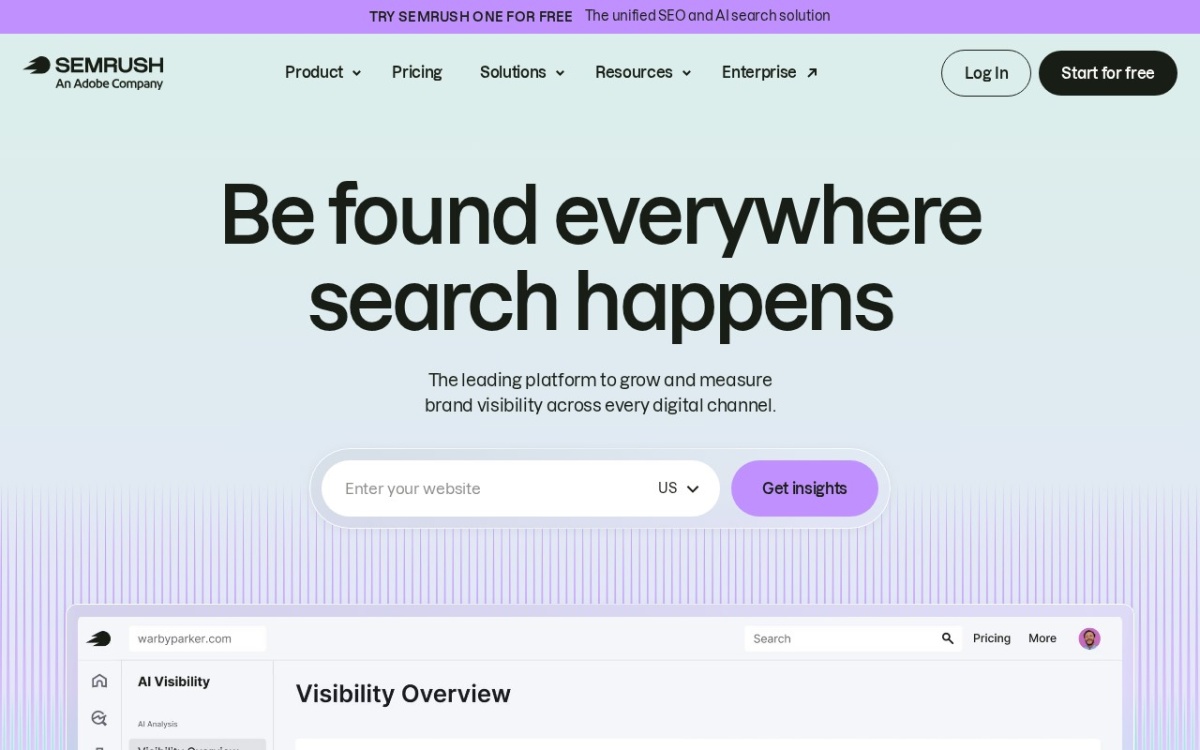
Then I started using Semrush, and for the first time SEO stopped being a mystery. Instead of guessing, I could see the actual keywords people search, how hard each one is to rank for, and - the part that changed everything - exactly what my competitors were ranking for that I wasn't.
How I actually use it
- Keyword research: I find terms people really search and pick ones I have a realistic chance to rank for.
- Competitor gaps: I see the keywords my rivals rank for and I don't, which becomes my content to-do list.
- Site audit: it flags the technical issues quietly holding my pages back, in plain language.
- Tracking: I watch my rankings move over time, so I know what's working instead of hoping.
- It covers content, ads, and more in one place, so I stopped stitching free tools together.
The results that mattered
The shift wasn't magic and it wasn't overnight - SEO never is. But instead of writing blindly, I started writing with a map. I targeted keywords I could actually win, fixed the technical issues dragging me down, and slowly, page by page, my site began showing up. Real visitors started arriving without me paying for every single one.
Is Semrush overkill for a small business?
It's a premium tool, and I asked myself that too. The honest answer: if SEO is a channel you're serious about, it pays for itself by telling you exactly where to spend your limited time. If you only need the occasional keyword idea, a cheaper tool will do - but you'll be guessing in the dark I lived in for months.
My honest recommendation
If you've built something good and nobody can find it, stop guessing and get a map. Semrush was the tool that finally showed me the road to my own front door.
Full honesty: a signup through one of the links above may earn GrowthGrader a small commission at no extra cost to you. It does not change what gets recommended, and the limits above stay in the post for exactly that reason. Thank you for reading. - Nadia
Community discussion
Enjoyed this story? Share your thoughts below.